Regenerative Route 66
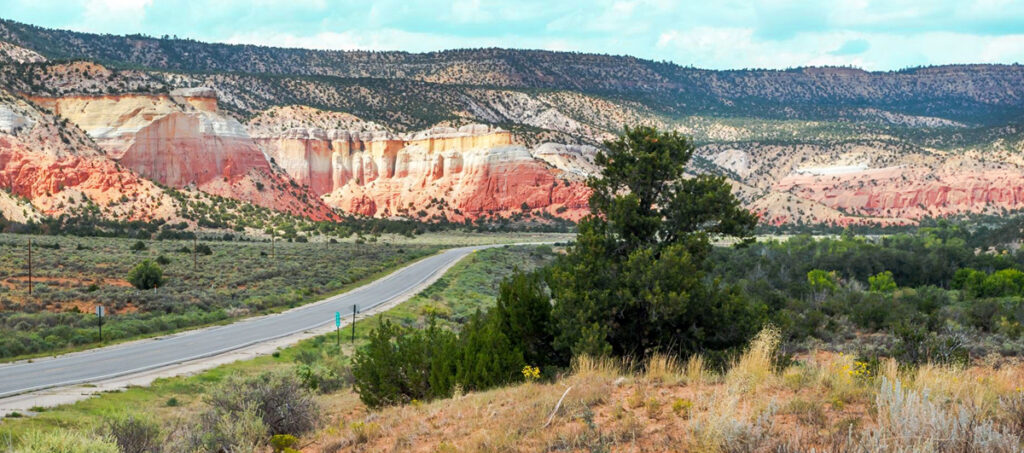
Dilia Knoll Farm is located in the small town of Dilia on U.S. Highway 84, where New Mexico’s shrublands reveal diverse ecosystems shaped by elevation, drought-tolerant vegetation, and historical land use. The farm practices regenerative agriculture and environmental stewardship along the historic Route 66.
part of the solution
growing En Route
Introducing an identity of many facets. It appreciates the native colors. Humble yet bold in embracing new horizons, it holds both wonder and purposeful clarity. It is exploratory in nature but intentional in goals. It speaks of a journey that demands bravery, focused on the uncharted and prepared for the road that lies ahead.
hands in the dirt
At Dilia Knoll Farm, we are committed to regenerative farming practices that safeguard the land and its natural resources. As we follow the soil health principles set forth by the NMDA Healthy Soil Program, we actively connect with local communities through agricultural outreach and commerce, all while prioritizing environmental stewardship.
Good Practices for Healthy Soil
keep soil covered
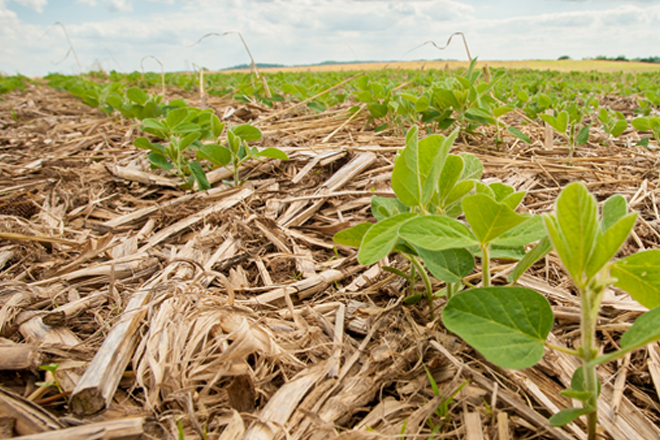
Covering soil with plants or organic matter is one of the best ways to maintain soil health. Bare soil is prone to erosion, compaction, and weed invasions. It also tends to heat up more than covered soil, and these higher temperatures can harm the beneficial organisms below the surface that help recycle nutrients for plant growth.
minimize external input
Soil disturbance on cropland refers to tillage. Reducing tillage helps prevent erosion from wind and water, soil compaction, and limits weed growth. Using fewer external inputs supports the natural cycles of soil, plants, and wildlife. Additionally, reducing these inputs can save farmers, ranchers, and land managers both time and money.
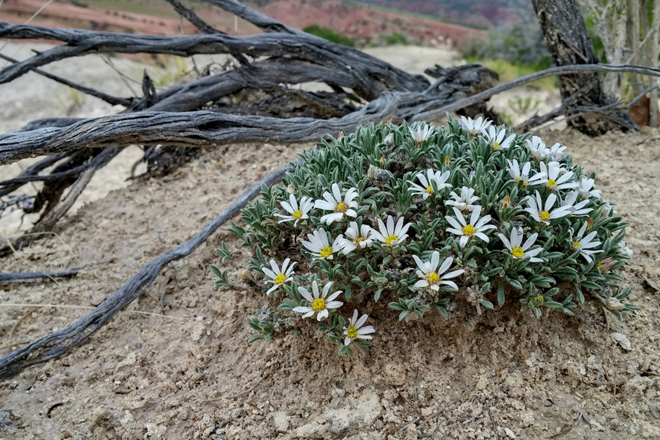
Gypsum Townsend’s aster (Townsendia gypsophila). Photo: Daniela Roth
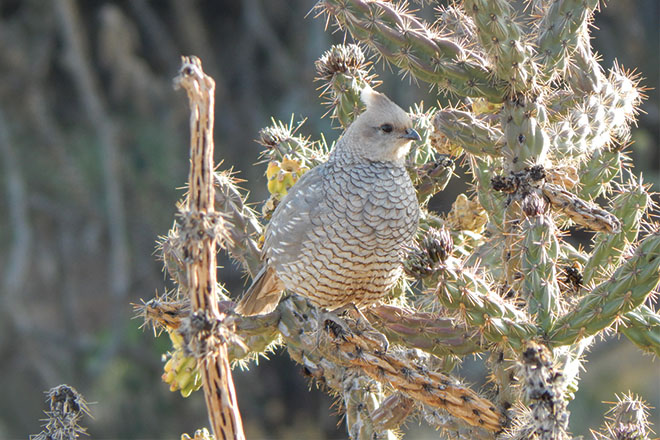
maximize BIODIVERSITY
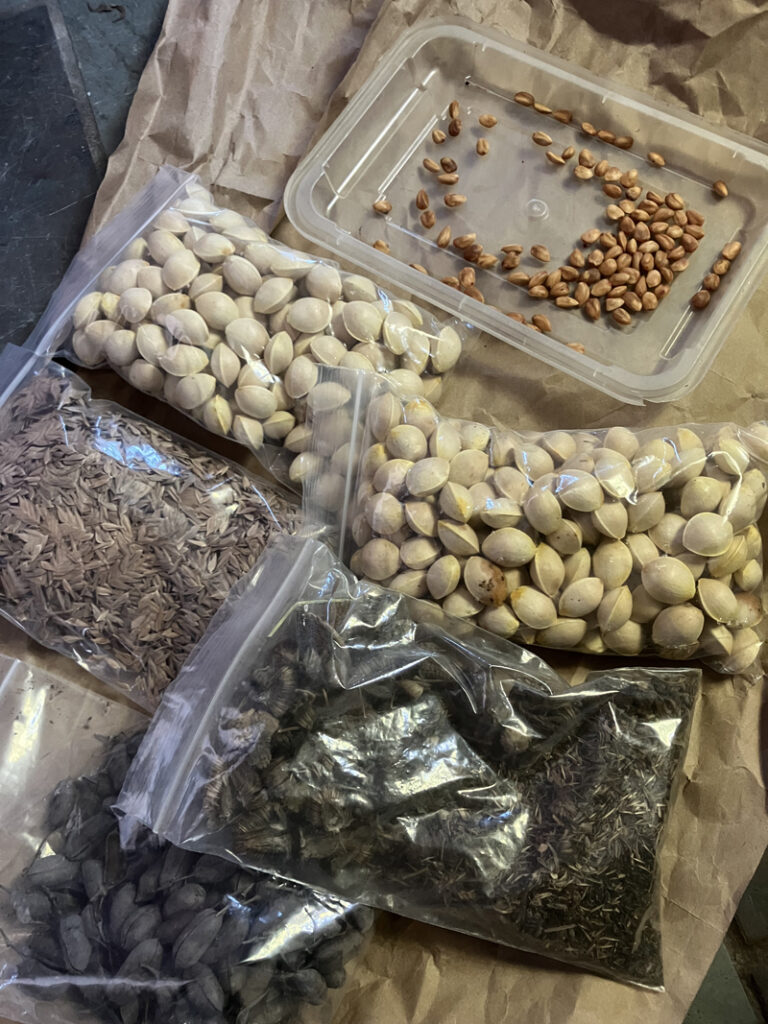
By increasing the variety of beneficial plants and animals on the land, we introduce a greater diversity of life above ground which leads to more variety below ground as well. This thriving ecosystem creates a cycle of nutrients flowing from the soil to plants, animals, and ultimately, to our plates.
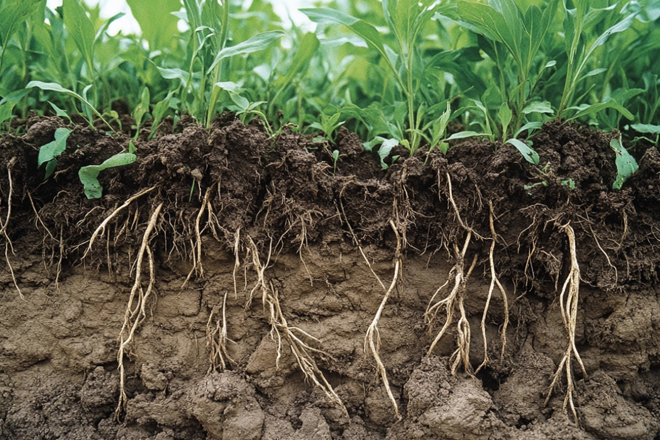
maintain living root
Covering soil with organic matter like fallen leaves or mulch is beneficial, but keeping it covered with living plants is even better. Through photosynthesis, living plants capture the sun’s energy and store it as carbon-based chemical energy. Some of this carbon is released through the roots, providing a nutrient-rich feast for the microorganisms in the soil. When these microbes are well-fed, they play their essential role in making nutrients available to plants.
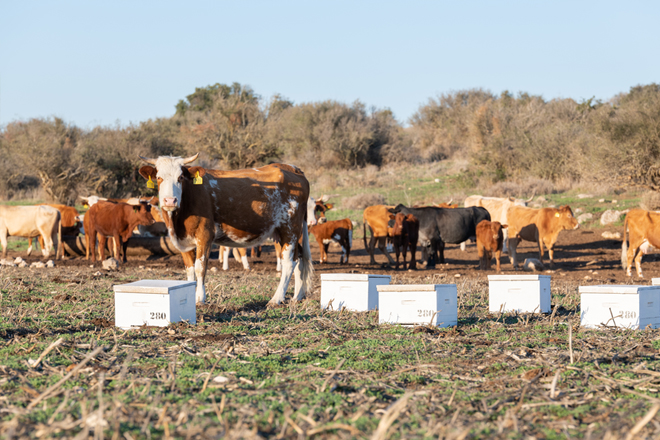
integrate animals
Animals of all sizes help fertilize the soil through their waste. Grazing animals, such as livestock and wildlife, promote plant growth by feeding on grasses and plants. As they move, these larger animals also work seeds and nutrients into the soil. Small animals above ground aid in pollination, while those below ground create spaces in the soil, improving water and nutrient flow to plant roots.
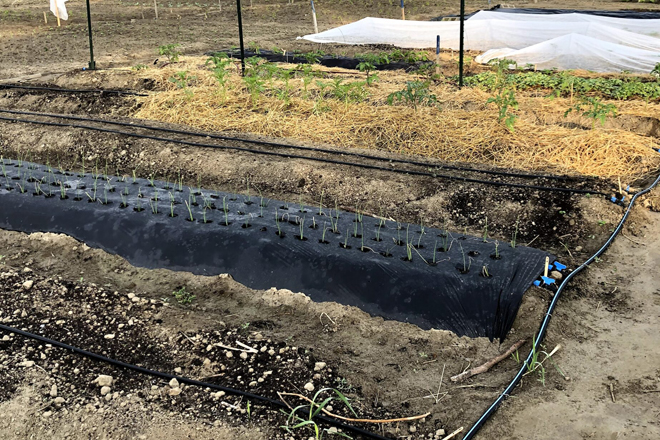
conserve water
Soil quality and water conservation are closely linked, as healthy soil helps water infiltrate the ground and be stored for future use. Well-developed soil absorbs and retains rain and irrigation water, allowing plant roots to access deeper reserves. This reduces the need for irrigation and helps prevent erosion, chemical runoff, and the need for excess fertilizers and pesticides, promoting cleaner, healthier water resources.
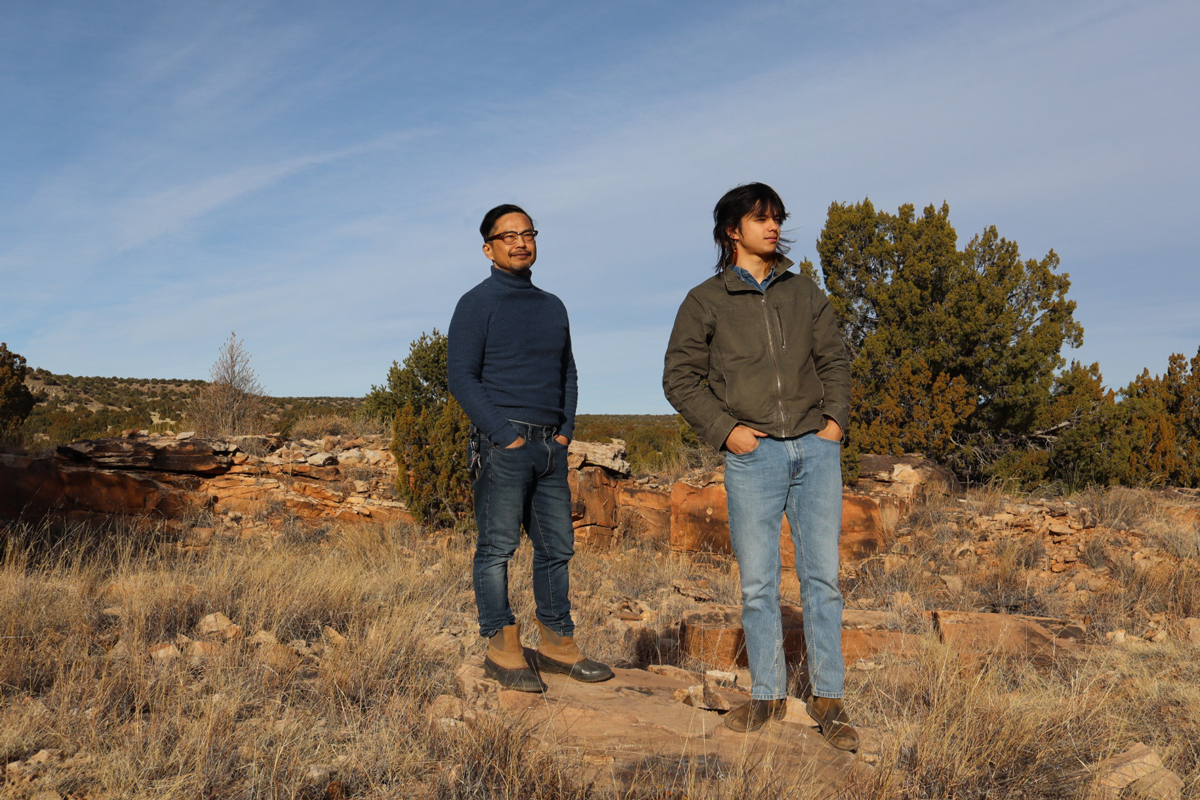
Small Footprint, Big Impact
“When you go fishing, it’s not about what you will take from the river; it’s about what it will give you. Same holds true with the land. It’s about patience and acceptance — learn what it can provide and work at sustaining its ongoing gift.”
Art Tran, Dilia Knoll Farm Founder and Environmental Steward
easy does it
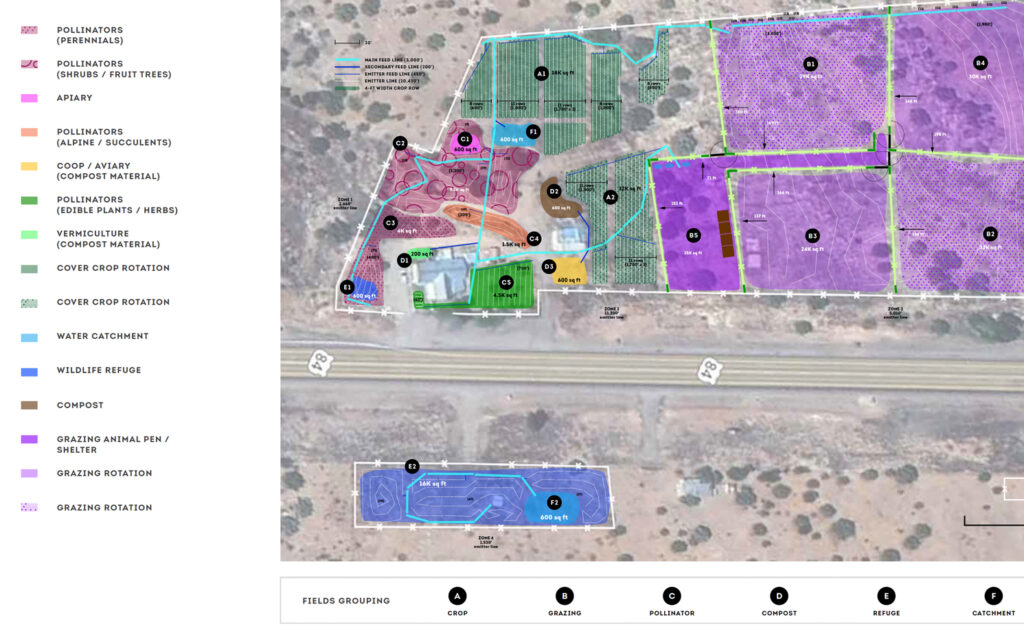
Regenerative Land Use Planning
Designing an efficient, well-organized working environment requires careful planning. Each area interacts with the others, and their placement becomes increasingly fixed. Water must be delivered along the shortest path to all intended destinations; compost materials should be arranged around the central heap; rational grazing plots need a central feed and water source; and pollinator plants must be positioned to receive optimal sunlight throughout the year.
ear to the ground
making a difference?
Are we? Not on a global scale, no, but certainly on a local one. Multiply that by millions, and real change is possible. The biggest shift will likely come through technological advancements, as most people aren’t willing to sacrifice too much comfort or lifestyle for something that feels abstract.
With clear evidence of climate change impacting our survival on all levels, a shift in mindset is essential—along with a willingness to change how we consume and expend resources.
At Dilia Knoll Farm, we choose to believe that our actions, no matter how small they may seem to others, make a difference. We believe this because we are witnessing the results of our efforts firsthand in our immediate surroundings. We have and are making those changes. They’re not just benefiting the land — they’re fostering positive growth in our hearts and minds as well.
community engagement
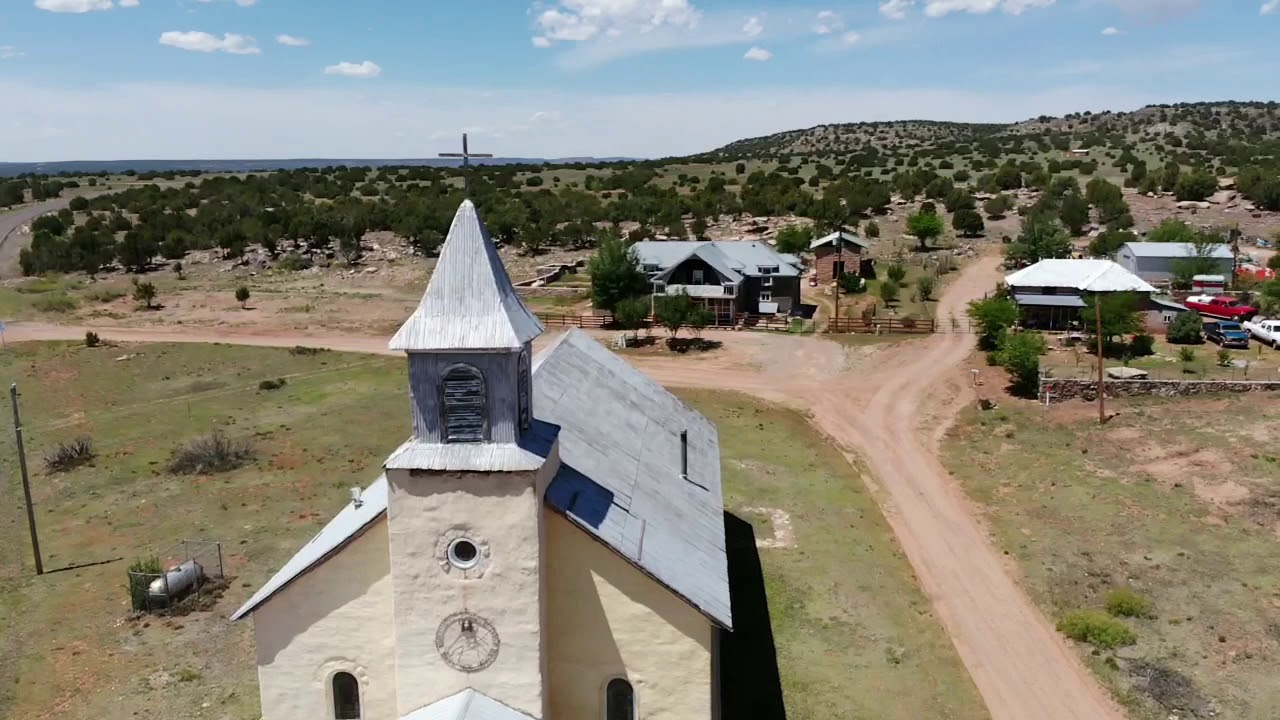
hello, Anton Chico!
As the owner of Dilia Knoll Farm explored life as a permanent resident of New Mexico, he befriended a lively and well-informed local woman from Anton Chico, a sort of matron in the community.
Click button below for full story!